Guide
Tuscan Flavors in Cortona: A Food & Wine Experience of Classic Dishes, Local Wines and Regional Produce
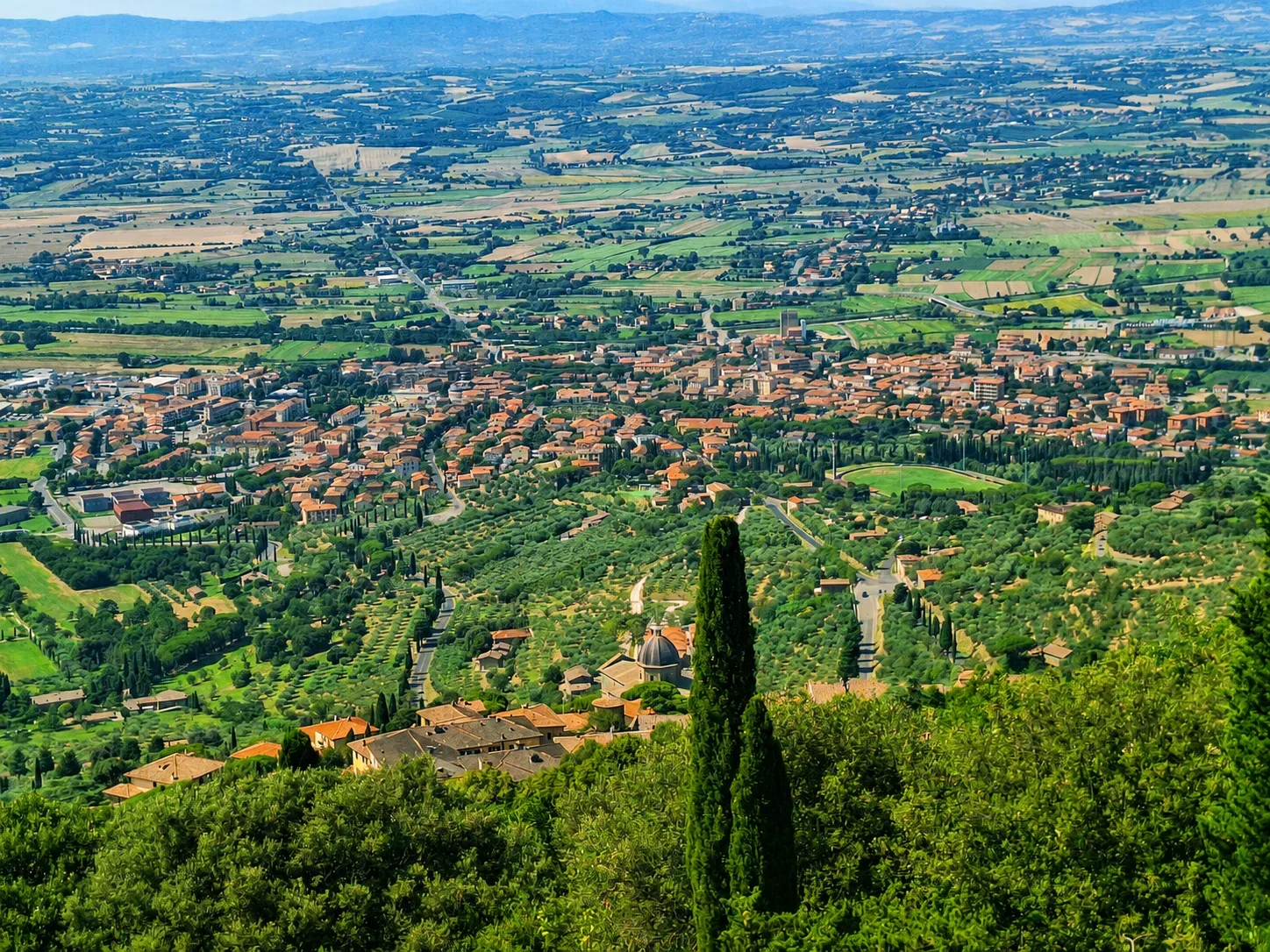
In Cortona, the landscape ends up on your plate. The olive groves on the hills, the vineyards sloping down toward the Valdichiana, the pastures where the cattle graze. Everything you take in from the panoramic terrace comes back to you a few hours later, in the glass and on the table. This guide to food and wine in Cortona is no ordinary list of restaurants. It’s a way to understand how to live the region’s food at the right pace — the slow one, built around a morning tasting, an unhurried lunch in a trattoria, and an aperitivo as the sun drops over the valley.
The thread running through every bite is a precise pairing: meat and wine, Chianina and Syrah. Everything else grows out of that — the new oil, the hand-rolled pici, the farmhouse pecorinos, the truffles from the woods above town. Cortona, one of the twelve cities of the Etruscan League, perched at roughly 600 metres,1 has turned food into a form of memory. To taste Tuscany in Cortona is to step into that story one mouthful at a time.
Chianina and Syrah, the two symbols of Cortona’s table
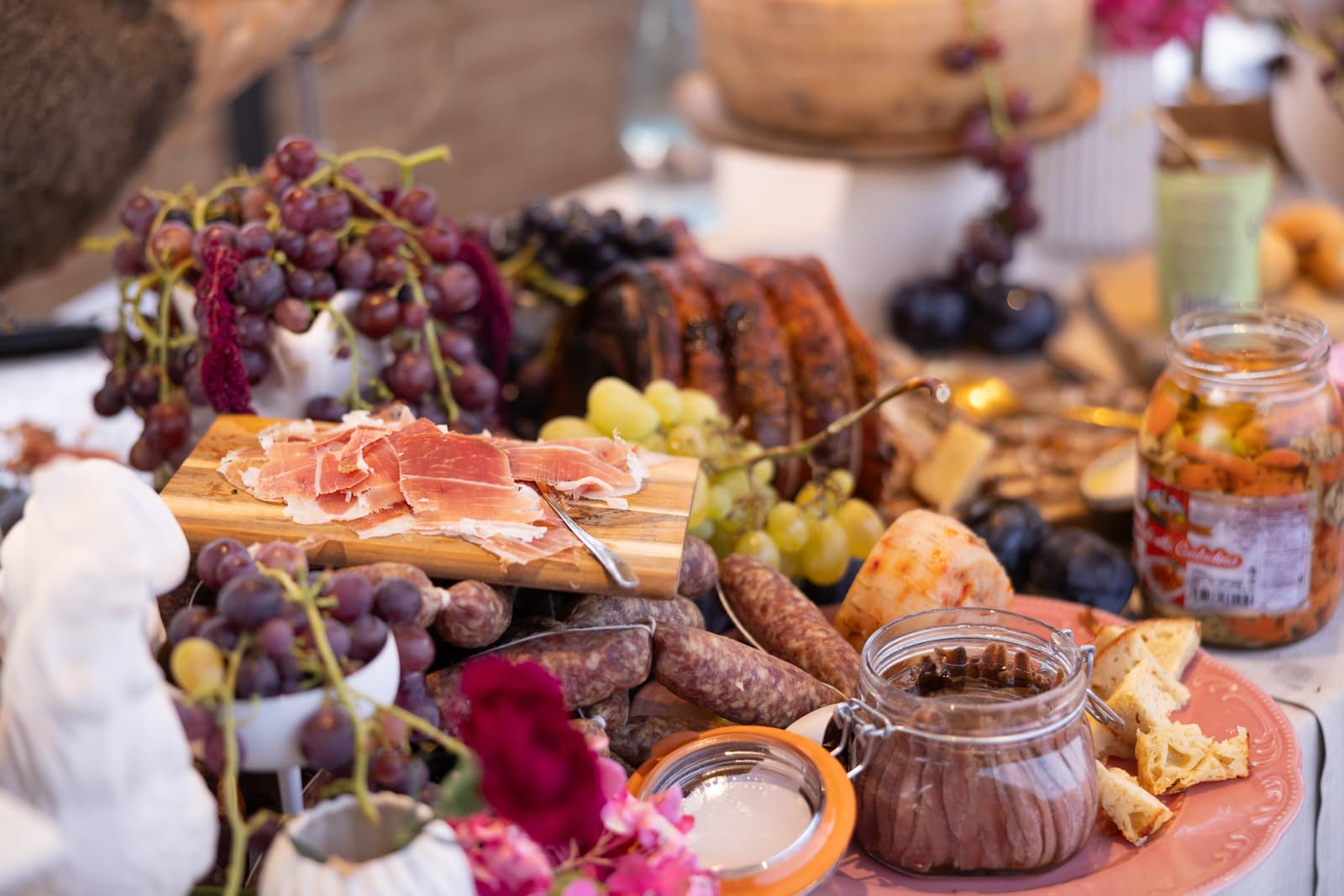
If you had to sum up the taste of Cortona in just two words, these would be the ones. Meat and wine, the two great strengths around which the whole local kitchen turns. It’s no accident that every March the town gives this pairing an entire festival of its own — Chianina & Syrah — filling the old centre with stalls, tastings and producers. There’s no better proof of how deeply this duo runs in the town’s identity.
The meat. The Chianina is one of the oldest and largest cattle breeds in Italy, raised for centuries right here in the Valdichiana. Its steak — thick, cooked rare over embers — is the signature dish of Cortona’s table. For the cut, the cooking and where to order it, there’s a page devoted to the Chianina steak.
The wine. Syrah has found a second home in the hills of Cortona, so much so that it’s become the flagship grape, under the Cortona DOC label. It’s a warm, spiced red that marries naturally with meat off the grill. Everything worth knowing is laid out in the story of Cortona DOC Syrah.
Keep this pair in mind as you read the rest. Almost every experience at the table, from a trattoria lunch to a cellar you reach by bike, comes back to them.
What the hills bring to the table
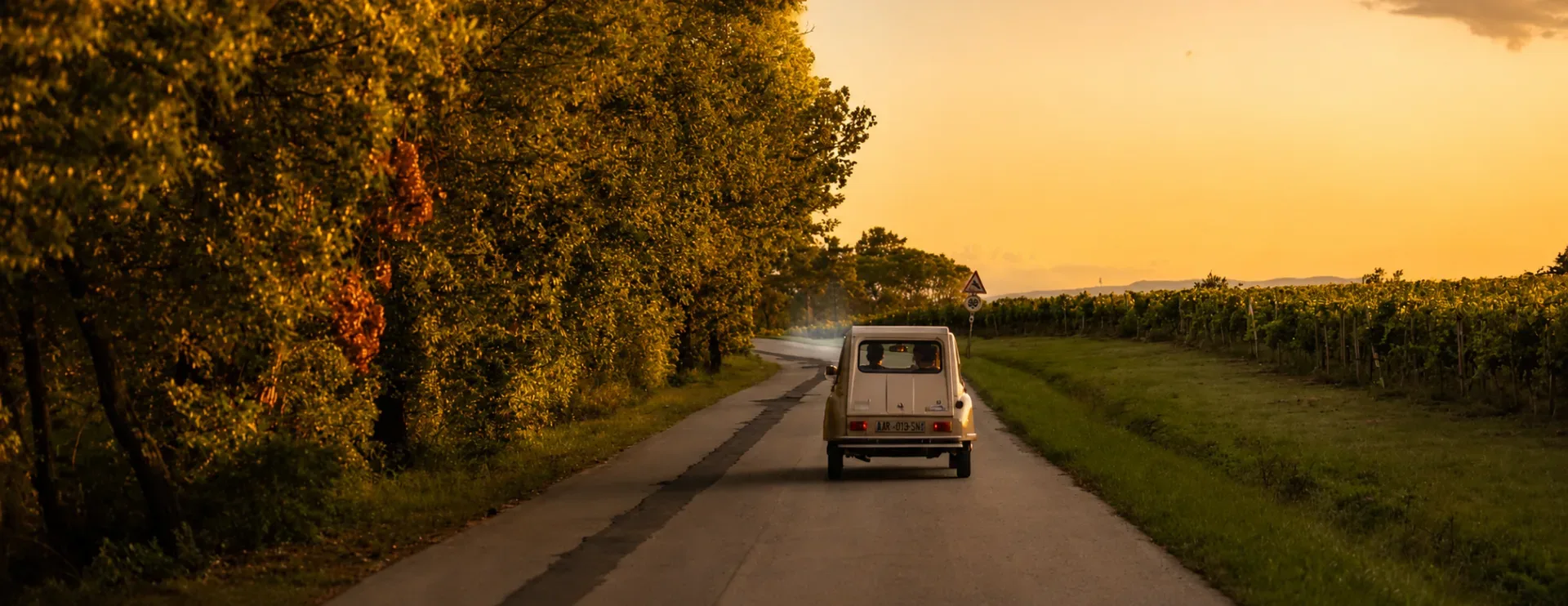
Beyond the two headliners, Cortona’s food scene comes down to a handful of flavours worth knowing before you arrive. Here they are in brief, each with a link to its own deep dive. Think of this section as a map pointing out the directions — then you decide where to stop.
- Pici all’aglione. The first course of the tradition: a thick, hand-rolled spaghetto dressed with a sauce of tomato and Valdichiana aglione, sweet and easy on the stomach. The story and the recipe are in pici all’aglione.
- Extra virgin olive oil. The green gold of the Cortona hills, bold and faintly peppery, the star of the bruschetta and a thousand dishes. More in the piece on Cortona’s EVO oil.
- Ciaccia. The local flatbread, perfect for filling or for pairing with cured meats. Everything about Cortona’s ciaccia.
- Penne al Fumo. Creamy tomato penne, given depth with smoked pancetta, cream and a faint kick of heat, born between 1973 and 1974 in a Cortona restaurant.
- Tagliatelle al ragù di Nana. Pici with a duck (nana) ragù, along with nana in porchetta, are classic specialities of the local Valdichiana restaurants.
- Ribollita. The classic Tuscan soup of bread and vegetables.
- Bruschetta. A slice of bread charred over an open flame, dressed with new oil and a clove of garlic rubbed on top.
- Fagioli al fiasco. Beans drizzled with raw oil over slices of toasted Tuscan bread.
- Crostini Neri Toscani. Toasted Tuscan bread topped with a savoury, warm chicken-liver paté, made the old country way.
- Panzanella and tomato-based sauces and ragùs, a cornerstone of the local summer and autumn kitchen.
- Cinta Senese cured meats – Products like porchetta, prosciutto and cured sausages, aged naturally and organically, often from Cinta Senese DOP pork and Chianina IGP beef, as at the “Sapori della Valdichiana” cured-meat maker in Monte San Savino, working since 1960.
- Cantucci and Vin Santo. The sweet finish par excellence, almond biscuits to dip in a meditation wine. The ritual explained in cantucci and Vin Santo.
- Truffles. The woods above Cortona give up black truffle and, in season, the prized white one too, the star of many an autumn table.
One line each here, because every one of these flavours has its own story to tell elsewhere. What matters is arriving in Cortona knowing that behind every dish there’s a local product with a name and a place of origin.
Where to live it, from trattorias to wine bars to fine dining
Knowing what to eat is half the job. The other half is figuring out where, because Cortona is home to three different ways of sitting down to a meal, each suited to a different moment of your stay. Choosing the right one is the difference between an ordinary meal and one you remember.
| Experience | When to choose it | What to expect |
|---|---|---|
| Traditional trattoria | Everyday lunch or dinner, as a couple or a small group | Home cooking, pici, grilled meats, generous plates, honest prices |
| Wine bar and enoteca | Mid-afternoon or pre-dinner, for a low-key taste | Wines by the glass at the counter, boards of cured meats and pecorino, tips on local labels |
| Gourmet restaurant | The special occasion, an anniversary, a long dinner | Inventive cooking built on local produce, a considered wine list, careful service |
Traditional trattorias, everyday authenticity
They are the heart of Cortona’s table. Here the Chianina arrives with no frills, the pici are rolled the way they always were, and the house wine flows without pretension. It’s the right place to eat the way the locals do, at a pace that leaves room for conversation.
Wine bars and enoteche in the old town
Tasting by the glass is the best way to find your bearings among Cortona’s wines without committing to a whole bottle. The enoteche in the centre offer guided flights, often with a board on the side, and whoever’s behind the counter almost always knows the cellars one by one. A fine mid-afternoon stop, before dinner.
Gourmet restaurants and fine dining
For a big-occasion dinner, Cortona has addresses where cooking turns into research. The raw materials stay local, but the plate grows more composed and the wine list more ambitious. This is the experience to book when you want to mark something.
Always ask at reception — that’s the advice of people who welcome guests all year round. The cooking shifts with the seasons and with what’s open, and a tip from someone who lives the place is worth more than any online review.
Hands-on experiences, from cellars to cooking classes to tastings
In Cortona, food isn’t only something you consume — it’s something you do. Turning taste into activity is one of the finest ways to fill a day of your stay, and there’s no shortage of options.
- Cellar tastings. The Cortona DOC estates open their doors for walks among the vines and tastings in the barrel room. Reckon on one or two hours, open to everyone, even those who know little about wine. The ideal starting point is to get to know Cortona DOC Syrah before you go.
- Cooking classes. Learn to roll pici or knead ciaccia by hand in a half-day lesson. Made for couples and small groups who want to take home a real recipe rather than a souvenir.
- Truffle hunt and tasting. A walk in the woods with the hunter and his dog, followed by the tasting. A half-day experience, perfect for families and for anyone who loves nature as much as food.
- Farmers’ markets. The most direct — and cheapest — way to get your hands on zero-mile produce, from cheeses to new oil. All it takes is an hour and the urge to chat with the growers.
The real luxury of a fixed base is that you can spread these activities over several days without rushing. A tasting today, a cooking class tomorrow, leaving time in between to do nothing at all.
Bike & Wine, tasting the flavours by e-bike
This is the signature experience, the one almost nobody in Cortona talks about. The cellars and the oil mills aren’t in the centre — they’re out on the surrounding hills, and that’s exactly where the pedal-assist bike changes everything. On an e-bike you reach the vineyards and olive groves without breaking a sweat, riding between the cypresses at a pace that lets you actually see the landscape instead of just passing through it.
The beauty of it is the freedom. No tour schedule, no minibus. You set off from the hotel in the morning, follow a white gravel road through the olives, stop at a cellar for a tasting, roll on to a mill to try the new oil, and head back in time for the aperitivo. A slow half-day “oil and wine” route, built around two or three stops for taste.
E-bike hire is available right at the hotel, so the day in the saddle begins and ends where you sleep, with no pointless transfers. It’s the way movement and food take each other by the hand — two experiences that usually stay apart, and here become one.
Out in the open, from olive-grove picnics to a sunset aperitivo
There’s a kind of food and wine that needs no laid table. It’s the convivial, open-air sort, and in Cortona it finds its natural frame in the views over the Valdichiana. A picnic in the shade of the olives, with bread, pecorino, cured meats and a bottle picked up from a cellar you visited the day before, is one of those simple memories that stay with you a long time.
And then there’s the moment of the day that in Cortona is worth more than most, when the light turns warm and the valley goes gold. It’s the hour of the sunset aperitivo, a glass of Syrah in hand as the sun goes down. The hotel’s panoramic terrace, looking out over the Valdichiana, is made for exactly this. A quiet place to close the day, or to linger after dinner, without having to go anywhere.
When to come, the calendar of flavours
Cortona’s flavours follow the seasons, and picking the right time of year means picking what you take home with you.
In spring the town lights up with the Chianina & Syrah festival in March, the best chance to taste the signature pairing all in one go. It’s also the season of the first rides through the green hills, as the days stretch out.
Summer is the time of village sagre, open-air dinners and picnics in the olive groves. In Cortona the most typical dates are the Sagra della Bistecca, with Chianina cooked on the great grill, and the Sagra del Fungo Porcino. It’s the season of lunches that run long and aperitivi that carry you into the sunset.
Autumn may be the richest season for anyone who loves the table. The harvest arrives, the mills open for the olive pressing, and the woods fill with truffle hunters. It’s the moment of the new oil, green and pungent, to be tasted freshly pressed on a slice of ciaccia.
Winter brings the table indoors, with the dishes that warm you (Ribollita among them), steaming pici, and the ritual of Vin Santo and cantucci by the fire. The town is quieter, and that’s precisely what makes it perfect for a stay of silence and deep, dense flavours.
Whatever the month, a peaceful base a short walk from the old centre lets you follow the calendar of flavours at your own pace. Because food and wine in Cortona, in the end, is not a box to tick. It’s a way of being in a place, one day after the next, letting the hills decide what ends up on the plate.
Fonti
Footnotes
-
Cortona — Wikivoyage. en.wikivoyage.org ↩