Guide
Sentiero della Bonifica by E-Bike: Cortona to Arezzo Flat Cycle Path
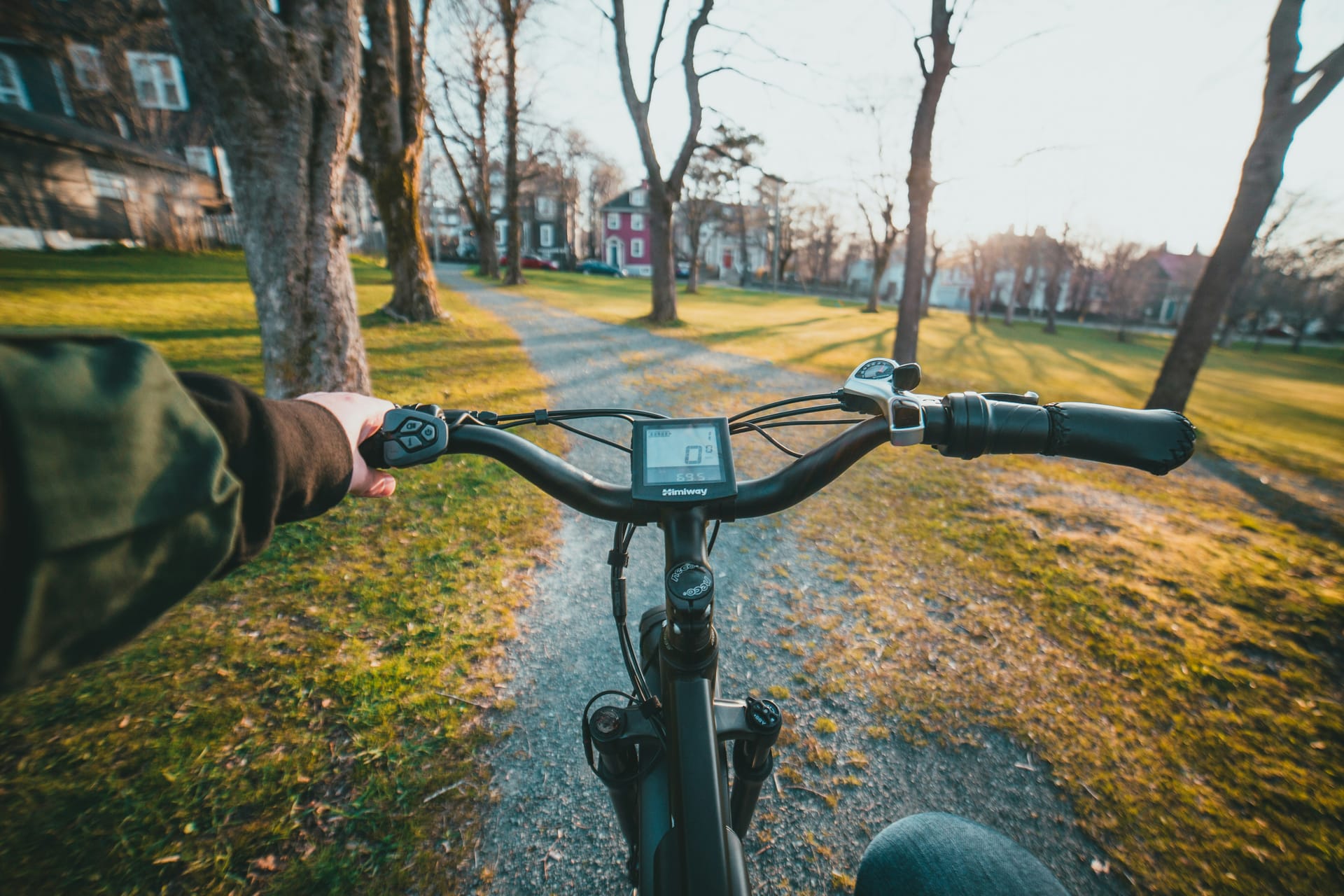
Leave the hotel early, coast down toward the valley floor, and ride for miles without meeting a single car, the Canale Maestro della Chiana running at your side and the outlines of the Valdichiana’s hilltop villages on the horizon. The Sentiero della Bonifica by e-bike is a long ribbon of path, flat as a tabletop, carved out of the canal’s old service road and now linking Arezzo to Chiusi over roughly 62 kilometres. 1 The stretch that starts from Cortona has a logic all its own, because it reads the route from the point of view of someone sleeping up on the hill. Here you get the path read the right way round, with the logistics to drop down, ride north, and come back without wearing yourself out.
The short version. Cortona → Arezzo stretch, a surfaced path protected for slow travellers, zero elevation gain on the flat and a climb only on the link up to the hill, easy difficulty, return possible by regional train, suitable for couples and families even if they aren’t fit.
The route card for the Sentiero della Bonifica from Cortona
Before you clip in, keep an eye on the numbers that actually matter. The main path is flat and protected, built for people travelling slowly by bike or on foot, with a profile that barely moves. 1
| Item | Figure |
|---|---|
| Full length (Arezzo → Chiusi) | about 62 km 1 |
| Spur toward Cortona (Sodo) | about 12 km extra 2 |
| Surface | surfaced and protected for slow travel by bike or on foot 1 |
| Elevation along the canal | none; the climb is only on the link up to the hill 2 3 |
| Altitude of the flat path | between 236 and 253 m 3 |
| Difficulty | easy 3 |
| Recommended bike | gravel 3 |
| Return | regional train on the Arezzo–Chiusi line 3 |
The exact door-to-door distances shift depending on where you join the canal, so measure them on the track before you set off rather than trusting a round number.
From Cortona to the Canale Maestro, how you join the path
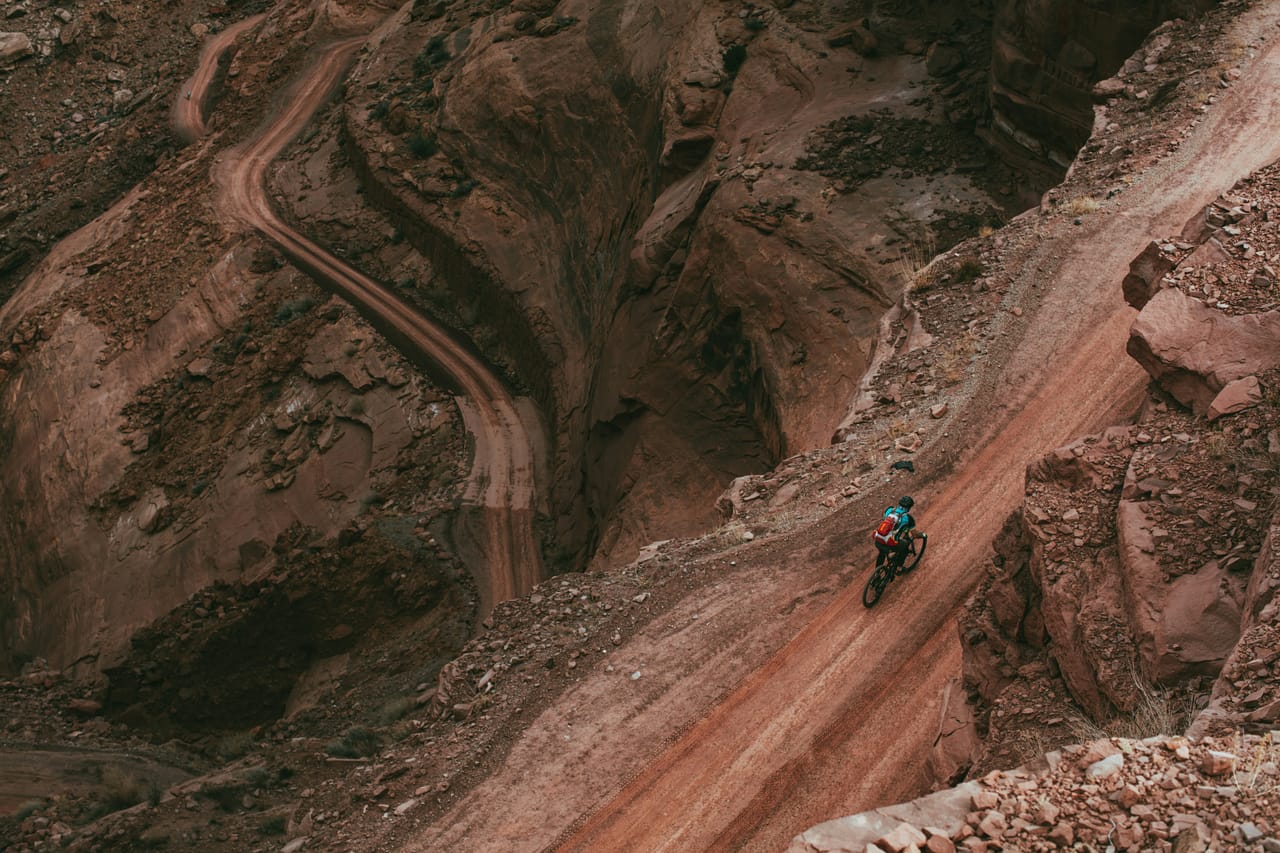
There is a dedicated link between the hill of Cortona and the flat of the canal. It’s called the Sentiero dei Principi Etruschi, and it runs for about 12 kilometres between the Sodo archaeological area and the path along the Maestro, joining the main route at roughly kilometre 37 counting up from Chiusi. 4 The whole difference from the canal lives in this link, where all the ups and downs of the Cortona hill are concentrated.
In practice the route unfolds like this:
- Set off from the hotel and drop down toward the plain in the direction of the Sodo, where the cycle-and-pedestrian path of the Canale Maestro reaches all the way to the archaeological site. 2
- Join the Sentiero dei Principi Etruschi, the cycle-and-pedestrian spur that comes down from the Cortona area toward the valley bottom. 4
- Hook onto the Canale Maestro and pick your direction, toward Arezzo or toward Chiusi.
- Once you’re pointed at Arezzo, the riding turns flat and uninterrupted all the way to the edge of the city.
If you want to break the ride up or get back the easy way, lean on the train: the railway serves the Val di Chiana between Arezzo and Chiusi, which makes the path simple to pair with rail. 1 Just remember that the final climb on the link up to Cortona is rated as demanding, so it pays to tackle it with the battery still well charged. 3
Along the Canale Maestro della Chiana toward Arezzo, what to see from the saddle
Once you’ve turned toward Arezzo, the landscape opens out. You ride through countryside drawn by the land reclamation, past rows of vines, farmhouses, and the old grand-ducal estate farms that dot the valley. 5 The Tuscany that usually demands fit legs for every change of gradient becomes, here, a friend even to people who don’t ride every day. 1
The run from south to north. Heading toward the Arezzo side, you pedal through the Valdichiana countryside, among the Arezzo and Siena municipalities the route passes through. 5 The detours to reach the old town centres are short and optional, handy if you want a stop in the shade or a bite to eat.
The Ponti d’Arezzo. As you near the city you come to a hydraulic junction where four canals cross, just before the Ponte Cesa, and the five little wooden footbridges already in use back in the 14th century. From this point Arezzo is about six kilometres off. 4 It’s one of those spots where it’s worth getting off the saddle and having a look around.
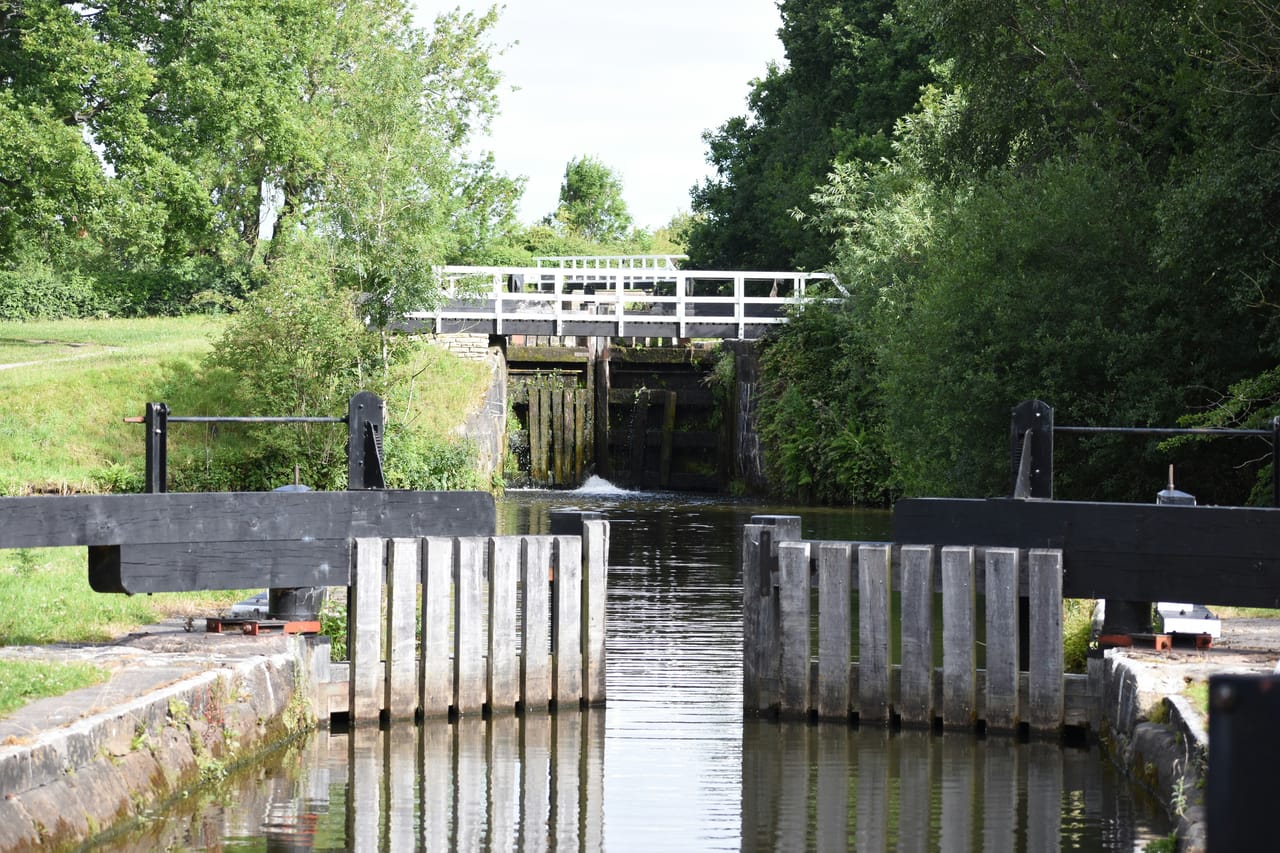
The Chiusa dei Monaci. The gateway into Arezzo is the Chiusa dei Monaci, named in documents as far back as 1115 and rebuilt in its current form between 1829 and 1839 under the direction of Alessandro Manetti. 5 From here the city centre is close, and in that direction the path officially begins. If you know the valley’s Ville Leopoldine, you’ll recognise the same logic of a landscape ordered by water.
A valley built by water, the story of the reclamation
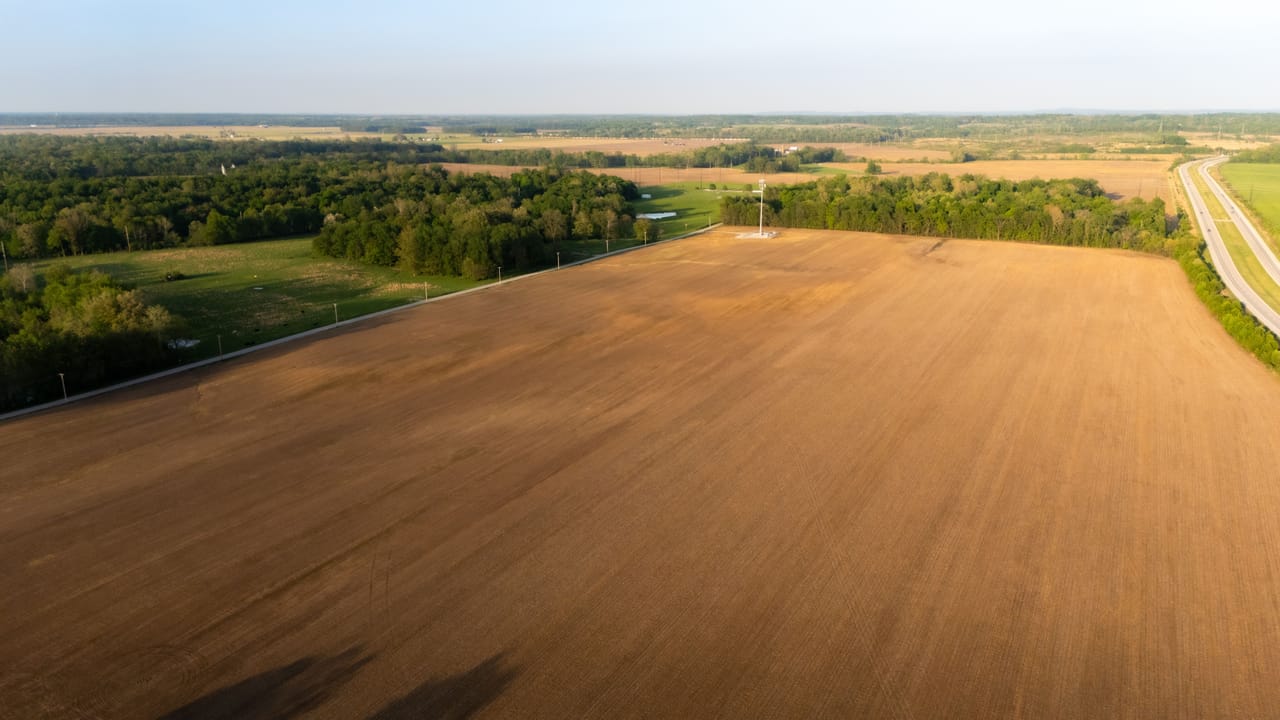
What you ride across today was once a swamp. Around the 11th century the Val di Chiana began to flood over because the river Clanis could no longer drain toward the Tiber, and the valley stayed waterlogged for roughly five centuries. 6 Grasp that, and you start to see the canal differently.
The turning point came with the Medici and then the Habsburg-Lorraine, Grand Dukes of Tuscany. Grand Duke Leopold’s hydraulic engineers turned the area into a major farming district, reversing the flow of the water with land-fill works, canal bridges, tunnels, and locks. From then on the water heads north until it joins the Arno. 6 1 This is the Leopoldine reclamation, a worksite that ran for centuries.
The name bound forever to this feat is that of Vittorio Fossombroni, a son of Arezzo and the engineer who worked on it for more than fifty years, until his death in 1844. 6 Today the valley stretches over 185 square kilometres, of which some 80 were wrested from the water and are defended by 630 kilometres of embankments. 6 The road you ride on is the one the labourers once walked to maintain the canal and its locks. 4
Why do it by e-bike, between battery, assist, and the climb back to Cortona
On the Canale Maestro the e-bike does little work on the way out. The path has no gradients and suits riders who aren’t fit, so you can keep the assist on its lowest setting toward Arezzo and just take in the scenery. 1 The real payoff reveals itself on the way back.
The flat saves you. Keeping the assist low along the canal burns almost no charge over tens of kilometres of flat. This is the moment to bank range and keep it in reserve.
The climb lives entirely in the link. The one tough pull is the ride back up to Cortona along the Sentiero dei Principi Etruschi, that final climb the guides flag as hard. 3 This is where the e-bike changes the whole day, because you reach the top without having cooked your legs. That’s exactly why it pays to ride light on the flat and save charge for the last uphill stretch.
If you want a better sense of how this kind of bike changes the way you get around the hills, take a look at cycle touring on the Cortona hills. To set off properly kitted out, you can arrange e-bike rental right at the property, so you skip hauling your own from home.
The train back from Arezzo, between one-way and there-and-back
That leaves the question of how you get home. The route is linear, so with the train you finish it without retracing your steps. 1 The Arezzo–Chiusi line that serves the valley makes the return simple, and the rail journey between the two ends takes about an hour. 3
| Option | How it works | When to choose it |
|---|---|---|
| A. One-way + train | Ride to Arezzo, then take a regional train on the line that serves the valley | If you want to cover the whole stretch and not repeat the route 1 |
| B. Partial out-and-back | Ride to a midpoint on the plain and turn back in the saddle | If you’d rather have a shorter outing with no timetable to watch |
Always check the regional operator’s website for the rules and availability of carrying a bike on board, since they change by time slot and type of train. On the safety side, it pays to set off with the track already loaded, as GPX maps of the route are available to download.
Practical tips on heat, water, surface, and seasons
The canal runs out in the open and there’s little shade, so a few small precautions make the difference between a lovely ride and a hard day out.
- Start early. In the hot months the first hours of the morning are the coolest, and the light over the valley is at its best for photos.
- Water on board. Fill your bottles before you leave and use the stops in the towns along the route to top up. 5
- Keep an eye on the weather. After days of rain it’s worth checking on the state of the path first, and shifting the outing if need be.
- The right tyres. For this route the recommended bike is a gravel one, so you’re better off with tyres of that kind than with thin road rubber. 3
- Best seasons. Spring and early autumn bring mild temperatures and a green valley; summer stays doable only with a dawn start.
With these few rules the Sentiero della Bonifica becomes one of the most relaxing bike rides you can take from Cortona, a flat spin along the water where the only thing that asks any effort of you is deciding how far to go.
Approfondimenti
Fonti
Footnotes
-
Presentazione del Sentiero. sentierodellabonifica.it ↩ ↩2 ↩3 ↩4 ↩5 ↩6 ↩7 ↩8 ↩9 ↩10
-
Sentiero della Bonifica - Canale Maestro della Chiana. sentierodellabonifica.it ↩ ↩2 ↩3
-
Da Arezzo a Chiusi lungo il Sentiero della Bonifica. visittuscany.com ↩ ↩2 ↩3 ↩4 ↩5 ↩6 ↩7 ↩8 ↩9
-
Sentiero della Bonifica. bicitalia.org ↩ ↩2 ↩3 ↩4
-
Sentiero della Bonifica. discoverarezzo.com ↩ ↩2 ↩3 ↩4
-
Sentiero della Bonifica - Canale Maestro della Chiana. sentierodellabonifica.it ↩ ↩2 ↩3 ↩4