Guide
Cantucci and Vin Santo: Tuscany's Classic Dessert Pairing in Cortona
In Cortona, dinner ends when a small plate of hard almond biscuits arrives with a narrow glass of amber wine. That’s cantucci and Vin Santo, an unhurried little ritual that has closed Tuscan meals for centuries 1. Here, though, the wine in your glass has a story tied closely to Cortona itself. Knowing what’s actually on the plate, why the two flavours belong together and how to enjoy them can change the way an evening in Cortona ends.
What cantucci and Vin Santo are, and why they go together
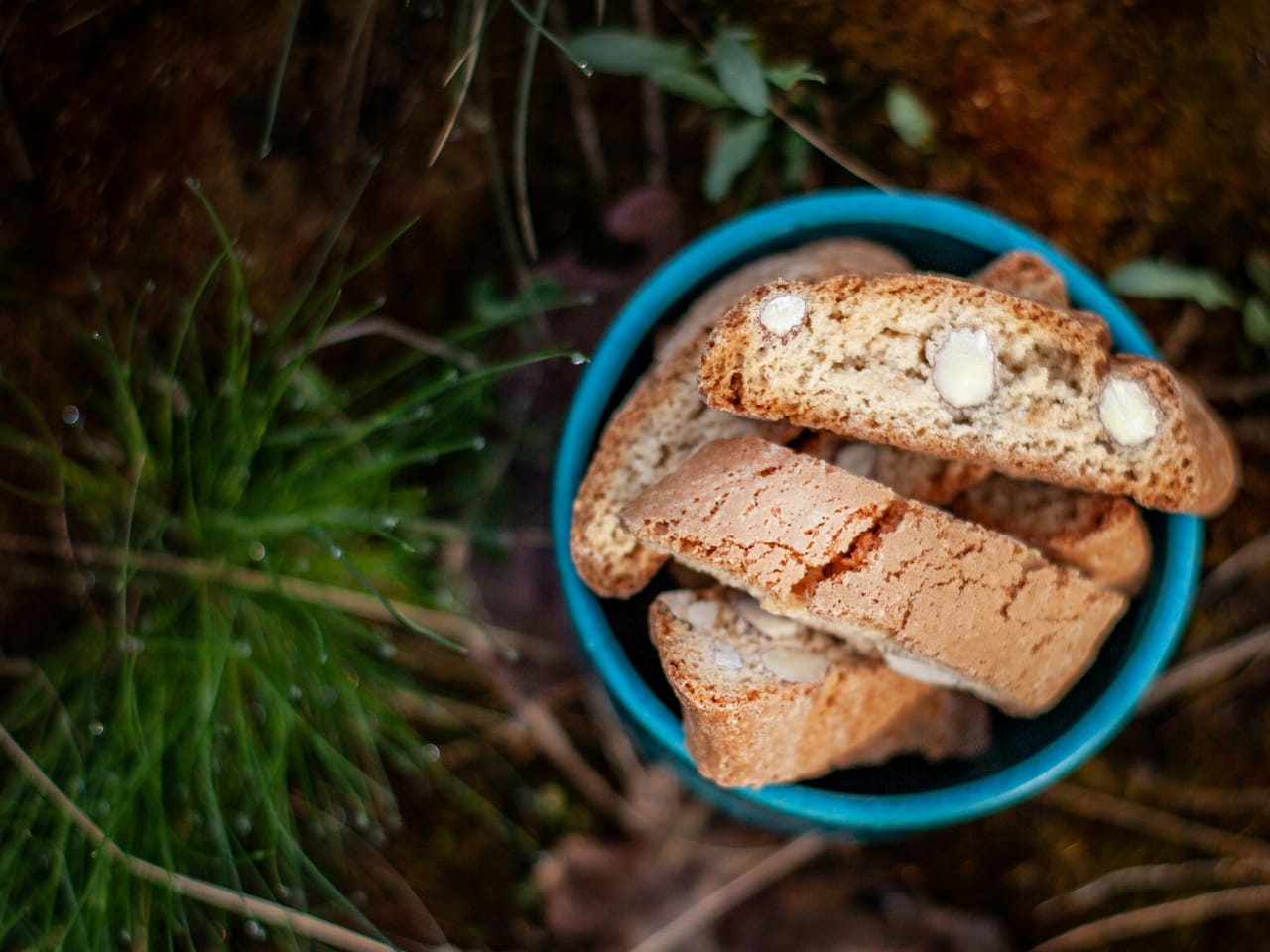
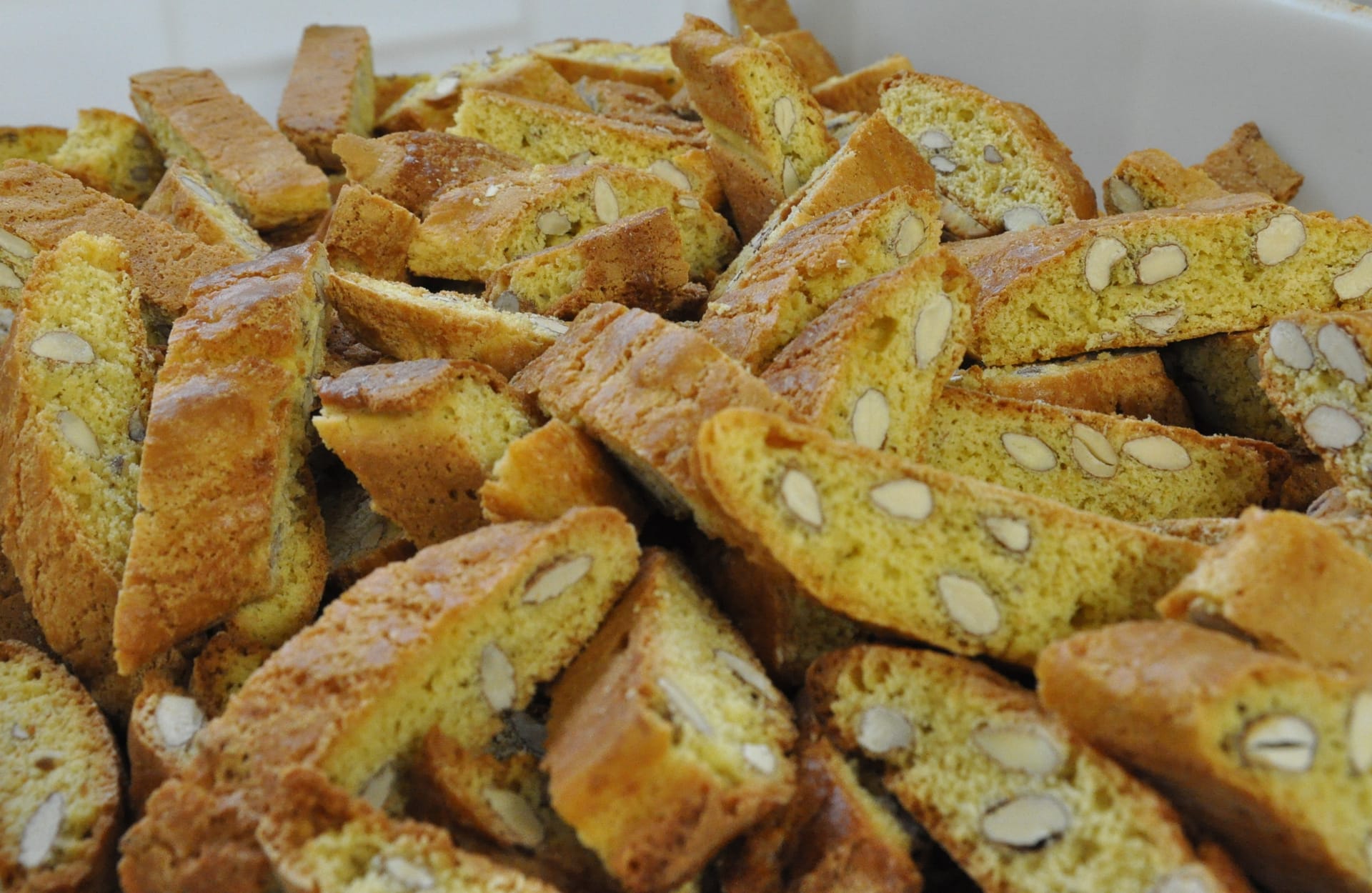
Cantucci (also called cantuccini, or biscotti di Prato) are dry, twice-baked almond biscuits. The log of dough is sliced while still warm, then goes back into the oven for a second bake that dries it out completely 2. They come out rock hard. Vin Santo is a wine for slow sipping, made from grapes left to dry after the harvest, and it’s often sweet 3 4.
The pairing started out as a practical fix. A biscuit that dry wants softening, and a warm, sweet wine does the job, taking the edge off the crunch and bringing the almond forward. Over time it became the standard Tuscan way to see guests off at the end of a meal, part of the simple, honest food & wine experience in Cortona.
At a glance:
- cantucci are dry, twice-baked almond biscuits
- Vin Santo is a sweet wine made from dried grapes, served in small pours after the meal
Cortona DOC Vin Santo: the three styles
This is the part most guides leave out. The Cortona DOC (Denominazione di Origine Controllata), recognised in 1999, sets out three distinct styles of Vin Santo: Vin Santo, Vin Santo Riserva and Vin Santo Occhio di Pernice 5.
The three styles side by side
| Style |
|---|
| Vin Santo |
| Vin Santo Riserva |
| Vin Santo Occhio di Pernice |
The three styles of Vin Santo under the Cortona DOC. 5
Tuscan Vin Santo is generally made from Trebbiano and Malvasia grapes. When it’s made from Sangiovese, it’s called Occhio di Pernice 4.
Whichever you pour, it’s a powerful wine, meant for small sips.
Where and when to try it in Cortona
You’ll come across Cortona’s Vin Santo at three moments, and each is worth seeking out. The first is the end of a meal in a trattoria. Once you’ve had the bistecca or the pici all’aglione, ask for the plate of cantucci and a glass to go with it. For a rough idea of price, traditional trattorias in Florence usually charge €4–8 a head for it 1.
The second is the winery. A guided tasting in the hills around Cortona lets you try the different styles side by side and pick out, nose first, what sets each one apart. It’s also a good chance to taste the local extra virgin olive oil, the area’s other great product.
The third is the bottle you take home, the one you open on a winter evening that puts you straight back on the terrace above the Valdichiana.
Dunking etiquette
To dunk or not to dunk? A classic cantuccio, as hard as its double bake makes it, is designed to be dipped, and dipping it is perfectly good manners. Hold it in the wine just long enough for the tip to soften, and pull it out before it crumbles into your glass.
Serving temperature matters. Vin Santo is best cool, never ice cold, because too much chill flattens the dried fruit and honey aromas that make the wine worth drinking. The right glass is small and narrows towards the rim, which gathers the aromas and nudges you towards short sips.
One word of caution with the finer bottles. With an Occhio di Pernice or a serious Riserva, dunking can bury a wine that already has plenty to say on its own. Taste the wine neat first, then take a bite of cantuccio between sips, so the bottle does the talking and the biscuit plays a supporting role.
Cantuccini Toscani PGI: what the label guarantees
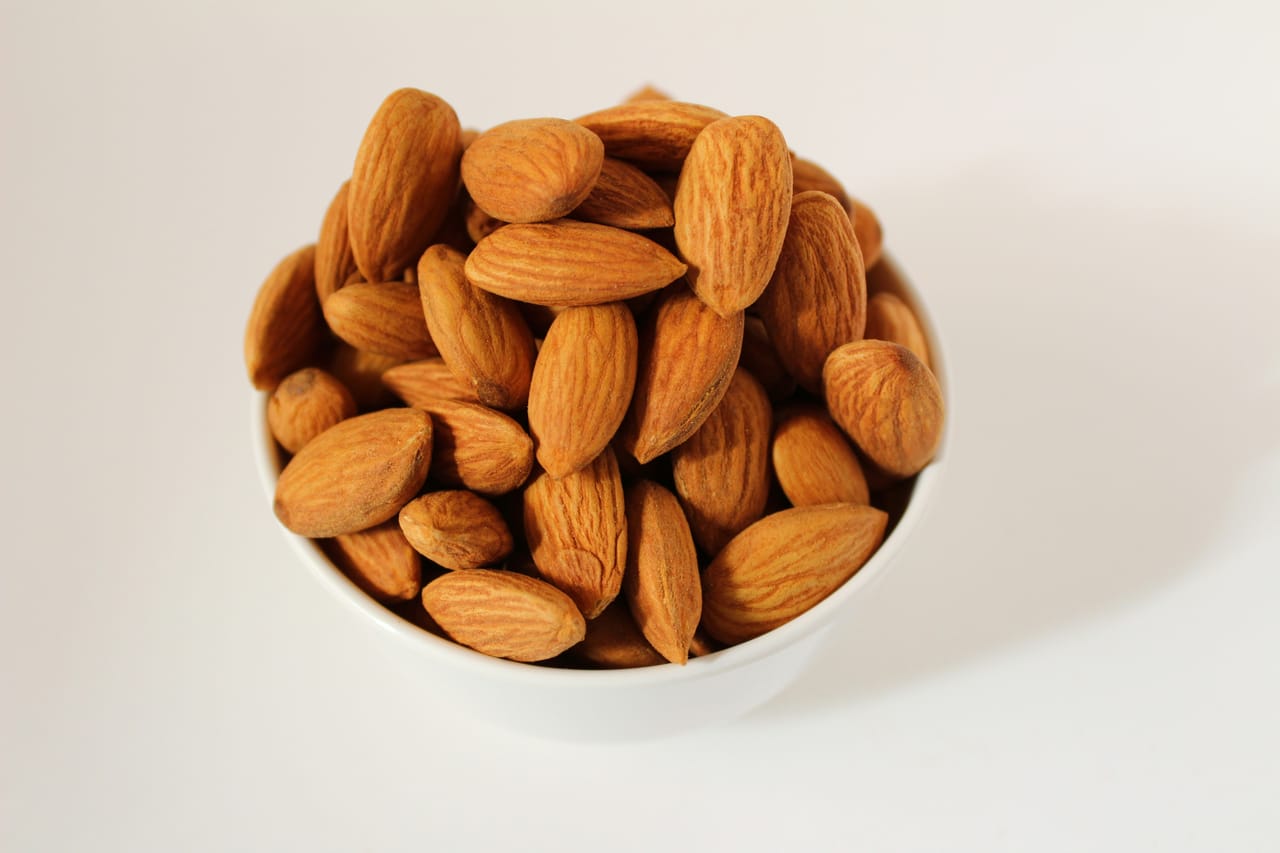
Cantucci vary a lot, and the label helps you tell them apart. Cantuccini Toscani hold Protected Geographical Indication status 6. The protection consortium describes them as typical Tuscan almond biscuits, known and loved around the world, traditionally enjoyed dipped in sweet wines such as Vin Santo 6.
Cortona is in Tuscany, so a certified cantuccino bought here is a genuine local product in every sense.
A history as long as the name
The cantuccio goes back at least to the sixteenth century. The name may come from “canto”, meaning a piece of a whole, or from the Latin cantellus, a piece or slice of bread 6. The word “cantuccio” already appears in the third edition of the Vocabolario 6.
Vin Santo’s name, for its part, comes wrapped in legend. One story from Siena tells of a Franciscan friar who, in 1348, treated plague victims with the wine used at Mass, which people soon believed was miraculous, and therefore “holy” 4. It’s one of several theories about where the name came from, all of them tied to a wine that has been part of Tuscan life for centuries.
Fonti
Footnotes
-
Cantucci and Vin Santo: Tuscany’s essential dessert pairing. florence-trip.com ↩ ↩2
-
Cantuccio — Wikipedia. it.wikipedia.org ↩
-
Vin Santo | Terroirs du Monde. terroirsdumondeeducation.com ↩
-
Vin santo toscano. it.wikipedia.org ↩ ↩2 ↩3
-
Microsoft Word - DOC Cortona. tca-srl.org ↩ ↩2
-
Cantucci and Vin Santo: a Tuscan tradition to taste. fratellilunardi.it ↩ ↩2 ↩3 ↩4